
iPhone 13 Pro / 13 Pro Max Rear Camera Deep Dive: Mastering Mobile Photography
-
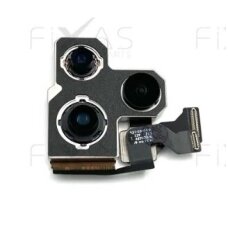
iPhone 13 Pro / 13 Pro Max Rear Camera Deep Dive Introduction
The iPhone 13 Pro and 13 Pro Max represent Apple’s pinnacle of mobile photography prowess to date. With a triple‑lens rear camera system paired with Apple’s A15 Bionic image signal processor, these devices deliver unprecedented clarity, dynamic range, and low‑light performance. Whether you’re a casual shooter or a seasoned pro, understanding each module’s capabilities is key to unlocking the full potential of your iPhone’s camera.
In this article, we’ll explore the hardware and software innovations behind the iPhone 13 Pro / 13 Pro Max rear camera, compare it to previous generations, and offer practical tips to elevate your shots—day or night.
1. Triple‑Lens Camera System Overview
1.1 Main Wide Camera
The primary 12 MP Wide sensor features larger 1.9 µm pixels and an ƒ/1.5 aperture, allowing up to 2.2× more light capture compared to its predecessor. This translates into cleaner low‑light images, reduced noise, and faster autofocus.
- Sensor Size: 1/1.65″
- Aperture: ƒ/1.5 with sensor‑shift optical image stabilization (OIS)
- Pixel Pitch: 1.9 µm
- Features: Photonic Engine, Smart HDR 4, Deep Fusion
1.2 Ultra Wide Camera
The 12 MP Ultra Wide sensor boasts an ƒ/1.8 aperture and a 120° field of view. Improved autofocus and lens design minimize distortion and boost edge‑to‑edge sharpness.
- Aperture: ƒ/1.8
- Autofocus: Yes (contrast‑detect AF)
- Macro Mode: Focus down to 2 cm for extreme close‑ups
1.3 Telephoto Camera
The dedicated 12 MP Telephoto lens offers 3× optical zoom in and 2× optical zoom out for a total 6× optical range. Its ƒ/2.8 aperture and optical image stabilization ensure crisp, shake‑free tele shots.
- Optical Zoom: 3× in, 2× out (6× total)
- Aperture: ƒ/2.8
- Stabilization: OIS (lens‑shift)
2. Image Quality & Performance
2.1 Low‑Light Excellence
Thanks to the larger sensor, wider aperture, and Photonic Engine computational pipeline, the iPhone 13 Pro series captures up to 92 % more light in low‑illumination scenes. Night mode is available on all three rear cameras, intelligently extending exposure times and aligning frames for minimal noise and maximum detail.
2.2 Video Capabilities
These devices support:
- ProRes video up to 4K at 30 fps (1080p at 30 fps on 128 GB model)
- Cinematic mode (rack focus effect) in 1080p at 30 fps
- Dolby Vision HDR recording up to 4K at 60 fps
2.3 Computational Photography
With Smart HDR 4 and Deep Fusion applied on every shot, you get enhanced color, balanced highlights, and refined textures. Photographic Styles allow you to apply subtle adjustments—such as richer contrast or cooler tone—while still preserving skin tones.
3. Comparison with iPhone 12 Pro Series
Feature iPhone 12 Pro / Pro Max iPhone 13 Pro / Pro Max Main Aperture ƒ/1.6 ƒ/1.5 Ultra Wide Aperture ƒ/2.4 ƒ/1.8 + AF Telephoto Zoom 2× optical 3× optical Night Mode Main only All three cameras Video HDR Dolby Vision up to 4K/60 Dolby Vision + ProRes up to 4K/30 4. Pro Tips & Best Practices
- Use Night mode tripod-free: Rely on sensor‑shift OIS for handheld low‑light shots.
- Leverage Photographic Styles: Create a signature look—e.g., “Rich Contrast” for punchy scenes.
- Macro mastery: Switch to Ultra Wide and get within 2 cm for stunning close‑ups of textures.
- Cinematic video: Tap to rack focus between subjects for professional‑grade storytelling.
- ProRes workflow: If you shoot ProRes, consider a SSD-backed iPad or Mac for faster editing.
5. Conclusion
The iPhone 13 Pro and 13 Pro Max redefine what’s possible in smartphone imaging. By combining state‑of‑the‑art hardware, Apple’s powerful image pipeline, and versatile software tools, these devices empower users to capture studio‑quality photos and videos in almost any scenario. Whether you’re a casual snapper or a pro content creator, understanding and leveraging each camera’s strengths will take your mobile photography to the next level.
